
Kitchen Cabinet Designs & Overlay Explained
Choosing the right kitchen cabinet design and overlay style is crucial to achieving the aesthetic and functionality you desire for your kitchen. In this guide, we’ll delve into the different cabinet overlay types and explore popular kitchen cabinet door styles. Whether you’re planning a kitchen remodel or just upgrading your cabinets, understanding these aspects will help you make informed decisions.
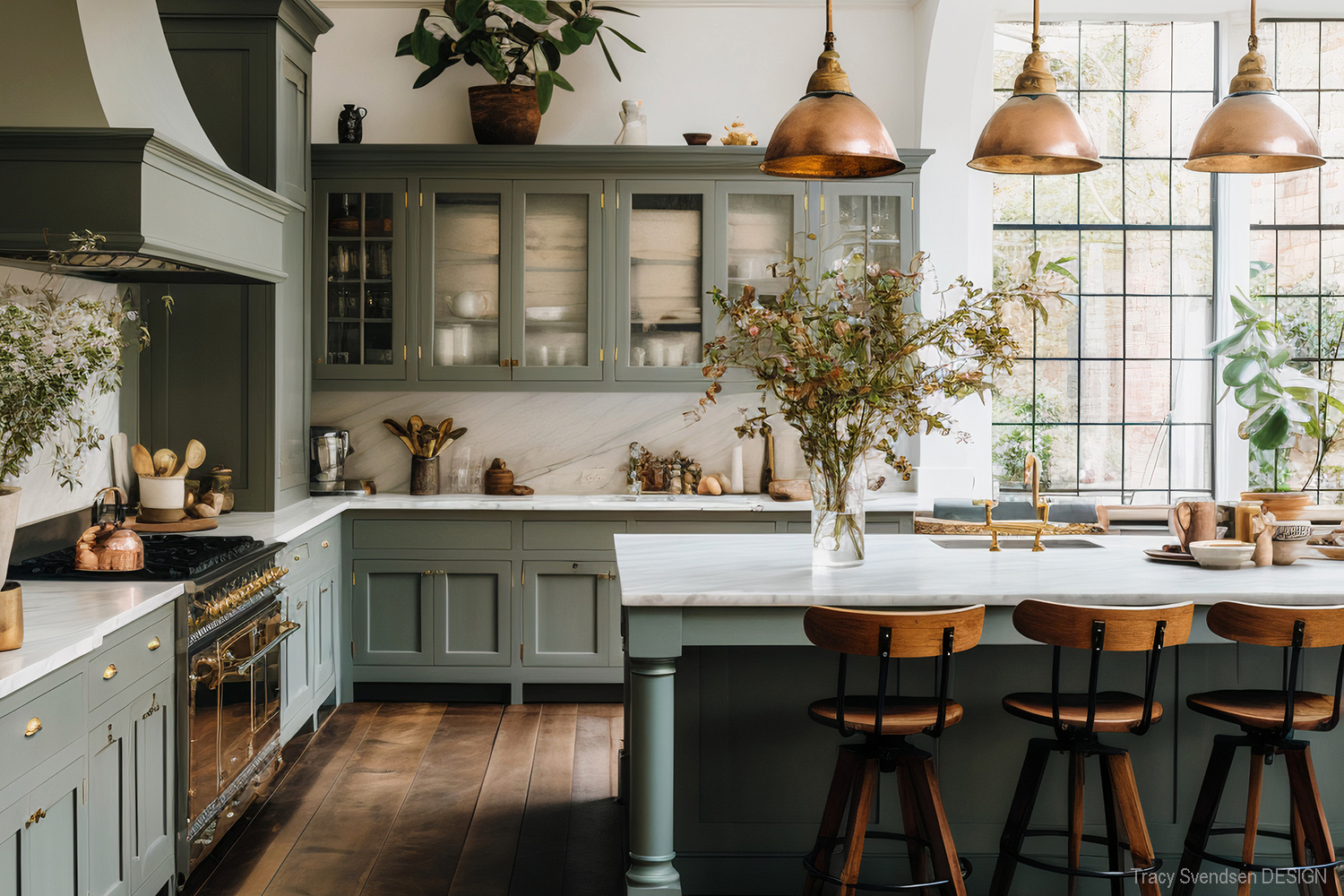
Cabinet Overlay Types
Cabinet overlay refers to the portion of the cabinet door that overlaps the cabinet frame when closed. The three main cabinet overlay types are:
- Partial Overlay (Framed): In this style, the cabinet frame is visible around the edges of each door, leaving a small gap between sets of doors. Partial overlay cabinets offer a traditional look.
- Full Overlay (Frameless): Full overlay cabinets completely cover the cabinet face frame, with no gaps between the doors or around the edges. They provide a sleek, modern appearance but tend to cost 20% to 50% more than framed cabinets.
- Inset: Inset cabinets feature doors that are set flush within the inside edge of the cabinet opening. This creates a classic and elegant look but comes at a higher price point, often double that of framed cabinets.
Understanding these overlay types is essential as they greatly influence the style and cost of your kitchen cabinets.
Kitchen Cabinet Door Styles
Another critical aspect of kitchen cabinet design is the door style. Cabinet door replacement can significantly impact the overall look of your kitchen. Here are some popular kitchen cabinet door styles:
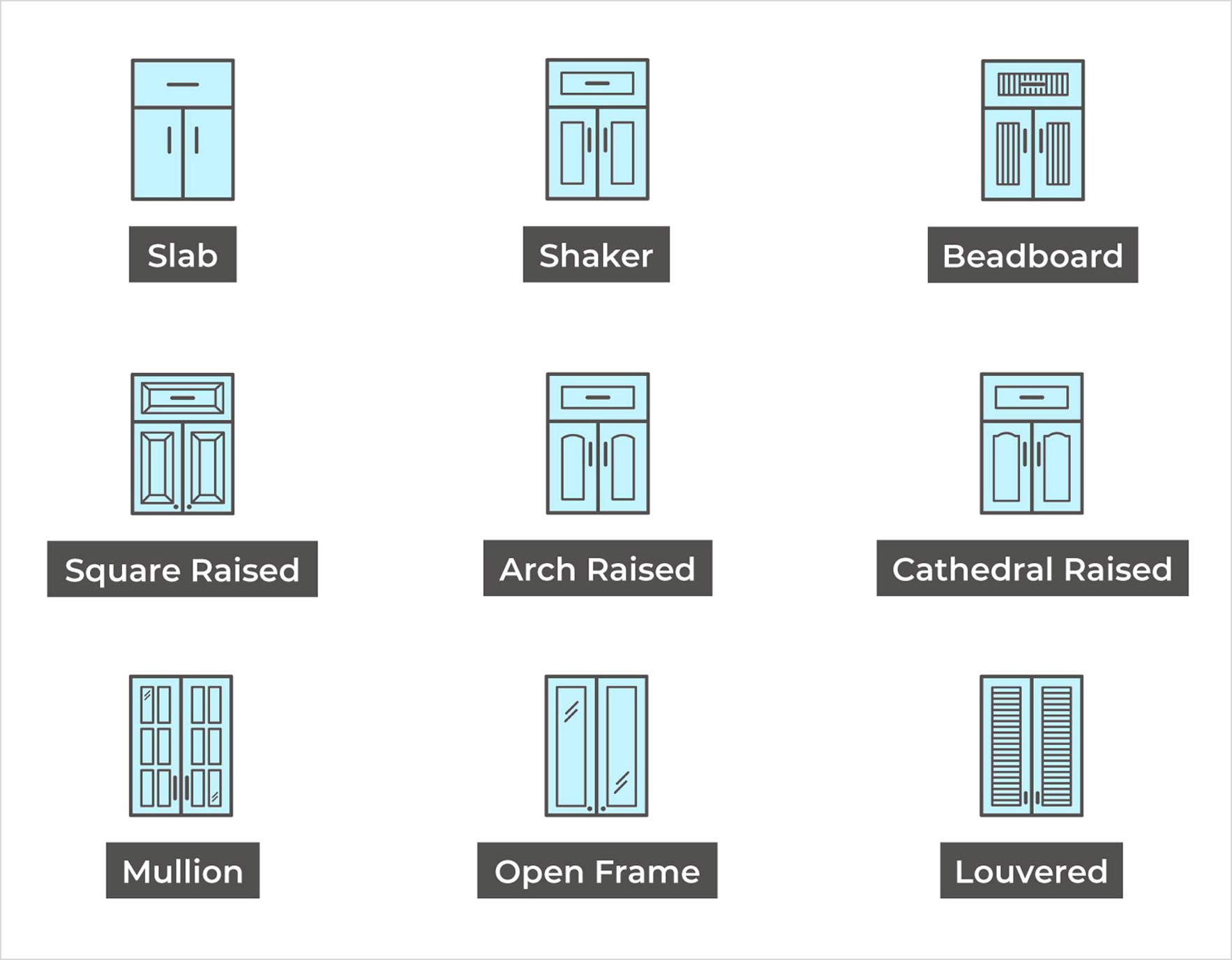
- Slab/Flat: This style features a flat panel without decorative elements, creating a contemporary and minimalist appearance.
- Shaker: Shaker doors have a simple raised frame without beveling or intricate detailing, making them a versatile choice suitable for various kitchen designs.
- Beadboard/Beaded: Beadboard doors have a center panel with vertical lines or grooves, creating a tongue-and-groove effect. This style adds a touch of texture to your kitchen.
- Raised Panel: These doors have a thicker, raised center panel that tapers to a raised frame, resulting in a square or arched design. Raised panel doors offer a more traditional look.
- Recessed Panel: Recessed panel doors feature a large, flat center panel surrounded by a raised frame with bevels or boards. They provide a timeless and classic appearance.
- Mullion: Mullion doors incorporate a glass front with wooden grid-like braces that divide the glass panel into window-like panes, adding elegance and visual interest.
- Open Frame: Open frame doors have a single glass center panel without mullions. This style is perfect for displaying glassware or collectibles.
- Louvered: Louvered doors feature a center panel with angled horizontal slats that allow improved ventilation. This style is great for achieving a coastal or cottage-inspired look.
Kitchen Cabinet Standard Size
| Cabinet type | Height | Depth | Width |
| Base cabinet | 34.5″()* | 21″ – 24″* | 12″ – 48″ |
| Wall cabinet | 12″– 42″ | 12″ – 24″ | 12″ – 42″ |
| Tall cabinet | 84″, 90″, or 96″ | 12″ – 24″ | 18″ – 36″ |
| Filler cabinet | 34.5″ | 21″ – 24″ | 6″ – 9″ |
(*) Not including the countertop.
- Base cabinets are installed on the floor. The countertop rests on top of them, adding 1.0″ to 1.5″ in height and 1″ to 2″ in depth.
- Base cabinets typically feature shelves or drawers, while wall cabinets feature shelves only.
- Wall cabinets 12″ tall typically go above a refrigerator, range hood, or built-in microwave.
- Tall cabinets are typically best for pantries.
- Narrow 6″ to 9″ filler cabinets go in gaps next to an oven or between other cabinets. Filler cabinets may feature a pull-out spice rack or organizer. However, some installers use matching pieces of finished wood to fill gaps instead.
By understanding the various kitchen cabinet door styles and overlay types, you can make well-informed decisions when planning your kitchen remodel or cabinet upgrade. Keep in mind that your choices will affect not only the aesthetics but also the overall cost of your project.