
When it comes to choosing the right flooring for your home, you have several options to consider. Each type of flooring comes with its unique characteristics, costs, and installation factors. In this guide, we’ll explore the most common types of flooring and provide insights into their costs.
Floor Types and Their Cost Per Square Foot (Material and Labor)
| Material | Low($) | High ($) |
| Bamboo | 10 | 25 |
| Carpet | 3 | 13 |
| Concrete | 9 | 19 |
| Cork | 9 | 20 |
| Engineered wood | 9 | 29 |
| Epoxy flooring | 5 | 15 |
| Hardwood | 15 | 40 |
| Laminate | 5 | 20 |
| Linoleum | 5 | 18 |
| Luxury vinyl plank | 6 | 26 |
| Marble | 15 | 60 |
| Standard vinyl plank | 5 | 17 |
| Standard vinyl sheet | 3 | 11 |
| Standard vinyl tile | 3 | 15 |
| Terrazzo (tile) | 22 | 50 |
| Terrazzo (poured) | 30 | 120 |
| Tile | 12 | 80 |
1. Wood Flooring
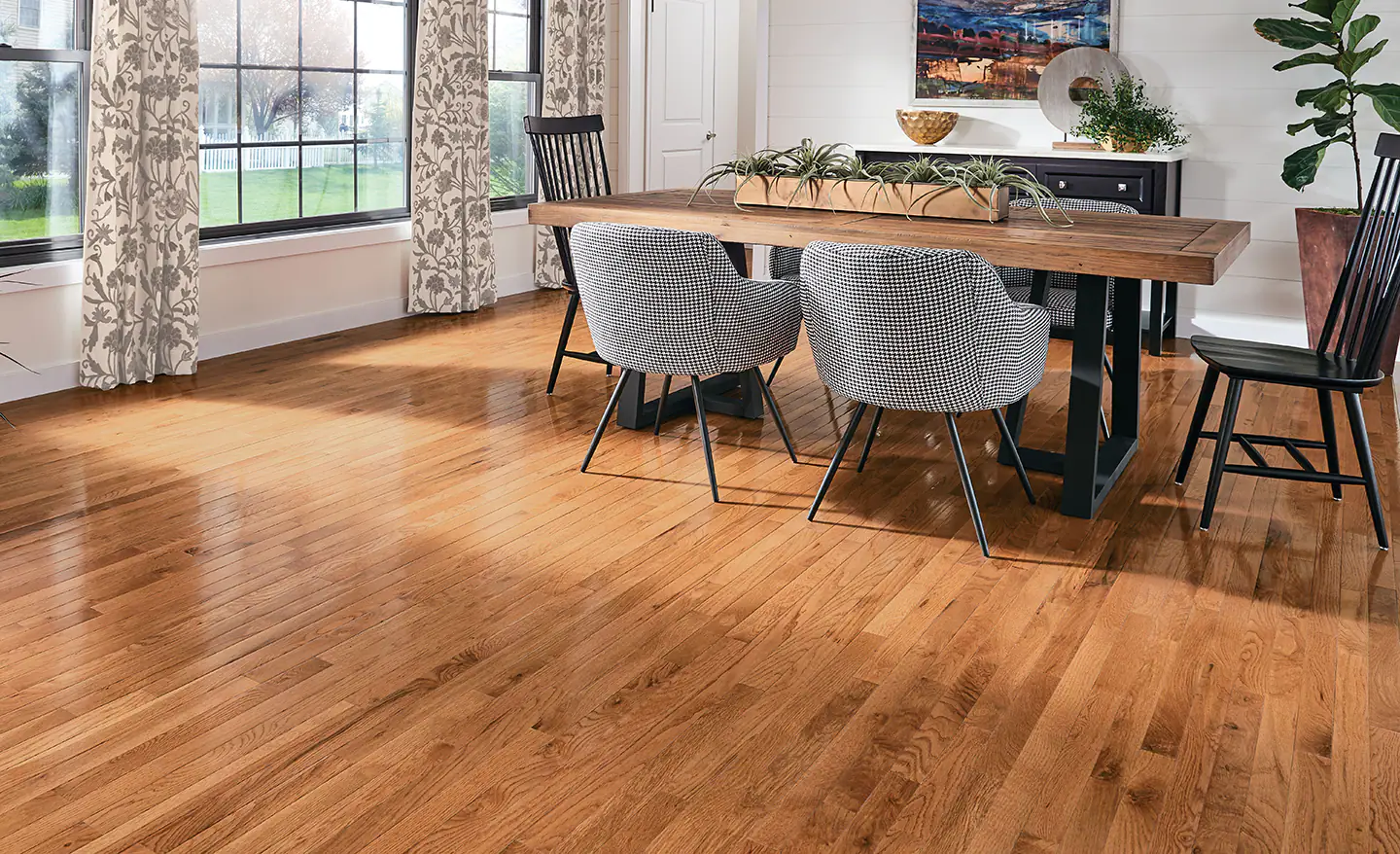
Wood flooring is a classic choice known for its timeless beauty. There are two primary options:
– Solid Wood Flooring: These floors are typically ¾” thick and can be purchased either raw or pre-finished. Solid wood floors are the most expensive option, known for their durability and elegance.
– Engineered Wood Flooring: Engineered wood floors have a top wear layer, usually ⅛” thick of hardwood, with layers of plywood underneath. They are gaining popularity due to their affordability, although they might not last as long as solid wood floors.
Cost:
For a 1,000 square foot home, the cost of installing wood flooring is approximately $10,457. If you prefer to have wood flooring in specific rooms, such as the living room, dining room, and bedrooms, covering around 550 square feet, the cost can be reduced to $5,542.
Cost Factors:
Factors that can influence the cost include the type of wood used, your location, any additional work needed around existing structures, testing and remediation of hazardous materials, the involvement of a general contractor, sales tax, and permit fees if applicable.
2. Laminate Flooring

Laminate flooring is an excellent alternative if you desire the look of expensive materials but want to stay within budget. It imitates materials like real wood, stone, and tile.
Cost:
For a typical project covering around 500 square feet, the cost to install laminate flooring is approximately $7.19 per square foot, totaling $3,623.
Cost Factors:
Factors affecting the cost include the thickness of the laminate, the laminate supplier, any additional work around existing structures, your location, testing and remediation, contractor involvement, sales tax, and permits.
3. Vinyl and Linoleum Flooring

If you’re on a tight budget, vinyl and linoleum are cost-effective options that can mimic the appearance of wood, stone, or tile.
Cost:
– Vinyl costs between $3.27 to $4.31 per square foot.
– Linoleum costs between $4.31 to $5.49 per square foot.
Cost Factors:
Factors affecting the cost include the condition of the surface (which might require an underlayment for vinyl), and the need to seal linoleum after installation and periodically for maintenance.
4. Carpeting
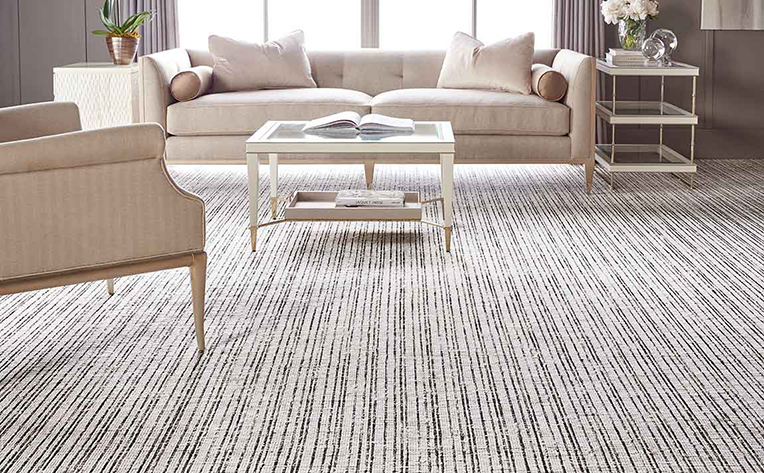
Carpeting is a versatile and comfortable flooring option. Costs depend on room size, pile, labor, and installation fees.
Cost:
The cost of carpeting varies based on factors such as size, texture, and pile. On average, it’s approximately $2.61 per square foot, with installation costs increasing it to around $4.58 per square foot.
Cost Factors:
Cost factors include the area to be covered, additional materials like tack strips and carpet padding, location, work around existing structures, hazardous material testing and remediation, contractor involvement, sales tax, and permits.
5. Tile Flooring

Tile flooring offers a wide range of options, each with different price points. Costs can vary significantly based on the type of tile chosen.
Cost:
The cost of tile flooring varies greatly. For example, ceramic tiles can be found for 78 cents per square foot, while rare, hand-crafted tiles can be significantly more expensive. Factors influencing cost include material scarcity and processing difficulty.
The same standard factors are true for tiles as they are on other flooring projects:
- · Distance to the job site (the more remotely you live, the higher the cost will be)
- · Any work that must be done around existing framing, HVAC systems, electrical, plumbing, or other such systems. Floor registers are a good example of such things.
- · Testing and remediation of hazardous materials. Older homes may have lead and/or asbestos
- · If a general contractor will be supervising the job, add about 15% to 23%
Choosing the right flooring for your home involves considering your budget, preferences, and the specific requirements of each room. By understanding the costs and factors associated with different flooring types, you can make an informed decision for your next flooring project.