
Hardwood flooring remains one of the most popular flooring options for homeowners because of its durability, timeless appearance, and long-term value. Whether you are renovating a single room or replacing flooring throughout your home, understanding hardwood flooring installation costs can help you plan your remodeling budget more accurately.
The total cost of hardwood flooring depends on several factors, including material type, wood species, floor area, subfloor condition, removal of existing flooring, and labor rates in your area.
Use our hardwood flooring cost calculator below to estimate your project costs instantly.
Flooring Cost Calculator
Low End
Mid Range
High End
Average Hardwood Flooring Cost
| Type | Average Cost / sqft |
|---|---|
| Solid Hardwood | $8–$18 |
| Engineered Hardwood | $6–$14 |
| Installation Labor | $3–$8 |
| Floor Removal | $1–$3 |
Flooring Material Price Per Square Foot
| Material | Low Material Cost | High Material Cost |
|---|---|---|
| Bamboo | $7 | $17 |
| Carpet | $2 | $8 |
| Ceramic or Porcelain Tile | $10 | $50 |
| Concrete | $6 | $12 |
| Cork | $5 | $12 |
| Engineered wood | $7 | $20 |
| Epoxy flooring | $4 | $10 |
| Hardwood | $7 | $25 |
| Laminate | $4 | $14 |
| Linoleum | $3 | $11 |
| Luxury vinyl plank | $4 | $16 |
| Marble | $10 | $40 |
| Terrazzo (poured) | $20 | $70 |
| Terrazzo (tile) | $15 | $35 |
| Vinyl plank | $3 | $10 |
| Vinyl sheet | $2 | $7 |
| Vinyl tile | $2 | $10 |
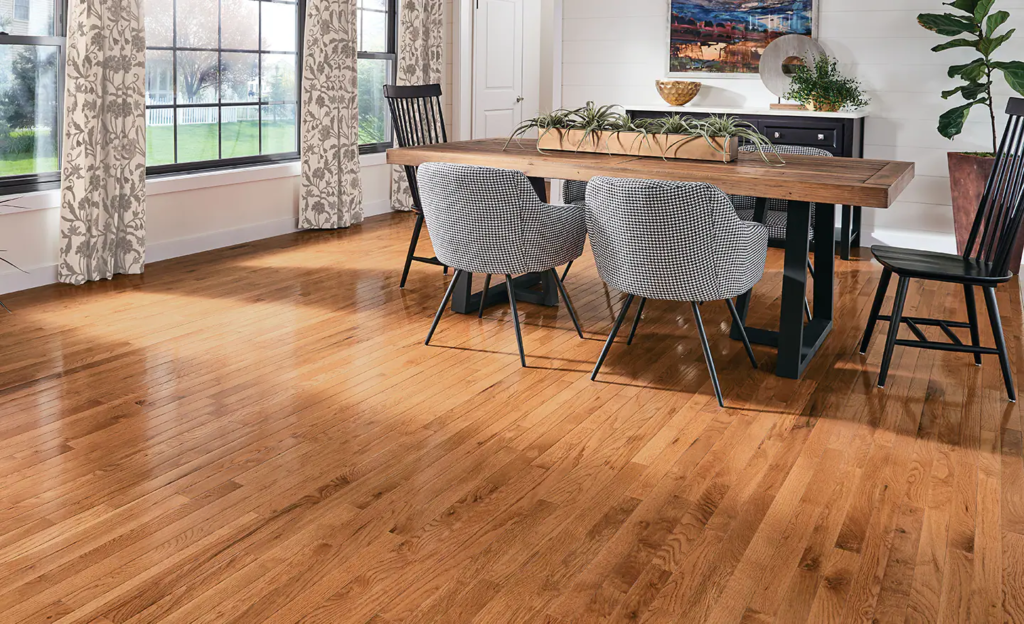
What Affects Hardwood Flooring Costs?
Several factors can influence the total cost of a hardwood flooring project. Understanding these cost factors can help homeowners estimate their renovation budget more accurately and choose the right flooring option for their needs.
Material Quality
The quality of hardwood flooring materials has a major impact on overall project cost. Premium hardwood products typically offer better durability, appearance, and longer lifespan, but they also come with higher material prices. Lower-cost flooring options may reduce upfront expenses but may not last as long over time.
Wood Species
Different wood species vary significantly in price and durability. Common hardwood flooring materials such as oak and maple are usually more affordable, while exotic woods like walnut or Brazilian cherry tend to cost more because of their appearance, hardness, and limited availability.
Room Size
Larger flooring areas require more materials and labor, increasing the total installation cost. However, larger projects may sometimes reduce the average cost per square foot because installers can work more efficiently across bigger spaces.
Subfloor Preparation
Before hardwood flooring can be installed, the existing subfloor must be clean, level, and structurally sound. Additional repairs, moisture protection, or leveling work may increase labor costs, especially in older homes or basement areas.
Existing Floor Removal
Removing old flooring materials such as carpet, tile, laminate, or glued flooring can add extra demolition and disposal costs to the project. The complexity of removal often depends on the condition and type of the existing floor.
Installation Pattern
Basic straight plank installation is generally the most affordable option. More complex patterns such as herringbone, diagonal layouts, or custom borders require additional labor, cutting, and installation time, which can increase project costs.
Finishing and Staining
Some hardwood floors require sanding, staining, and protective finishing after installation. Custom stain colors, multiple finish coats, or high-end finishes can increase both material and labor expenses while improving the final appearance and durability of the floor.
Solid Hardwood vs Engineered Hardwood
Solid hardwood flooring is made from a single piece of natural wood and is known for its durability, timeless appearance, and ability to be refinished multiple times. It is a popular choice for homeowners looking for long-term value and a traditional hardwood feel. However, solid hardwood can be more sensitive to moisture and humidity changes, making it less suitable for basements or high-moisture areas.
Engineered hardwood flooring features a real hardwood surface layer combined with multiple plywood or composite layers underneath. This construction improves stability and moisture resistance, making engineered hardwood a good option for condos, basements, and modern homes with varying temperature conditions. Engineered hardwood is often easier to install and may cost less than solid hardwood while still providing the appearance of real wood flooring.
Hardwood Flooring Installation Process
Understanding the hardwood flooring installation process can help homeowners better prepare for their renovation project and estimate labor costs more accurately.
1. Removing Existing Flooring
The first step usually involves removing old flooring materials such as carpet, laminate, vinyl, or tile. Demolition and disposal costs may vary depending on the type and condition of the existing floor.
2. Subfloor Preparation
The subfloor must be clean, level, dry, and structurally stable before hardwood flooring can be installed. Additional repairs or leveling work may increase the overall project cost, especially in older homes.
3. Installing Underlayment
Depending on the flooring type and installation method, an underlayment or moisture barrier may be installed to improve sound insulation, comfort, and moisture protection.
4. Hardwood Floor Installation
The hardwood planks are then installed using nail-down, glue-down, or floating installation methods. The installation process varies depending on whether the flooring is solid hardwood or engineered hardwood.
5. Sanding and Finishing
For unfinished hardwood flooring, sanding and finishing are completed after installation. Homeowners can choose different stain colors and protective finishes to match their interior style.
6. Final Cleanup and Inspection
After installation is complete, the contractor performs final cleanup, removes debris, and inspects the flooring to ensure proper installation quality and finish appearance.
Hardwood Flooring Cost by Room
Hardwood flooring costs may vary depending on the size and type of room being renovated. Larger rooms generally require more materials and labor, while complex layouts or stairs may increase installation difficulty.
| Room Type | Average Installed Cost |
|---|---|
| Bedroom | $1,500 – $4,000 |
| Living Room | $2,500 – $7,000 |
| Basement | $3,000 – $8,000 |
| Condo | $2,000 – $6,000 |
| Stairs | $800 – $2,500 |
Actual costs may vary depending on hardwood material selection, labor rates, and project complexity.
Frequently Asked Questions
Is hardwood flooring worth it?
Hardwood flooring is considered one of the most valuable flooring options because of its durability, appearance, and long lifespan. Many homeowners choose hardwood flooring to improve both comfort and property value.
How long does hardwood flooring last?
Solid hardwood flooring can last 30 to 100 years when properly maintained. Engineered hardwood flooring typically lasts 20 to 40 years depending on the thickness of the wear layer and overall maintenance.
What is cheaper: engineered or solid hardwood?
Engineered hardwood is usually more affordable than solid hardwood because of its layered construction and simpler installation process. However, pricing varies depending on wood species and product quality.
Can hardwood flooring be installed over concrete?
Engineered hardwood flooring can often be installed over concrete subfloors using floating or glue-down installation methods. Solid hardwood generally requires a wood subfloor and is less commonly installed directly over concrete.
Does hardwood flooring increase home value?
Yes. Hardwood flooring is often viewed as a premium flooring option and may improve resale value because many homebuyers prefer the natural appearance and durability of hardwood floors.
Get an Instant Hardwood Flooring Estimate
Use our hardwood flooring cost calculator above to estimate material and installation costs for your renovation project. Compare flooring options, calculate project budgets, and plan your remodeling project more confidently.